


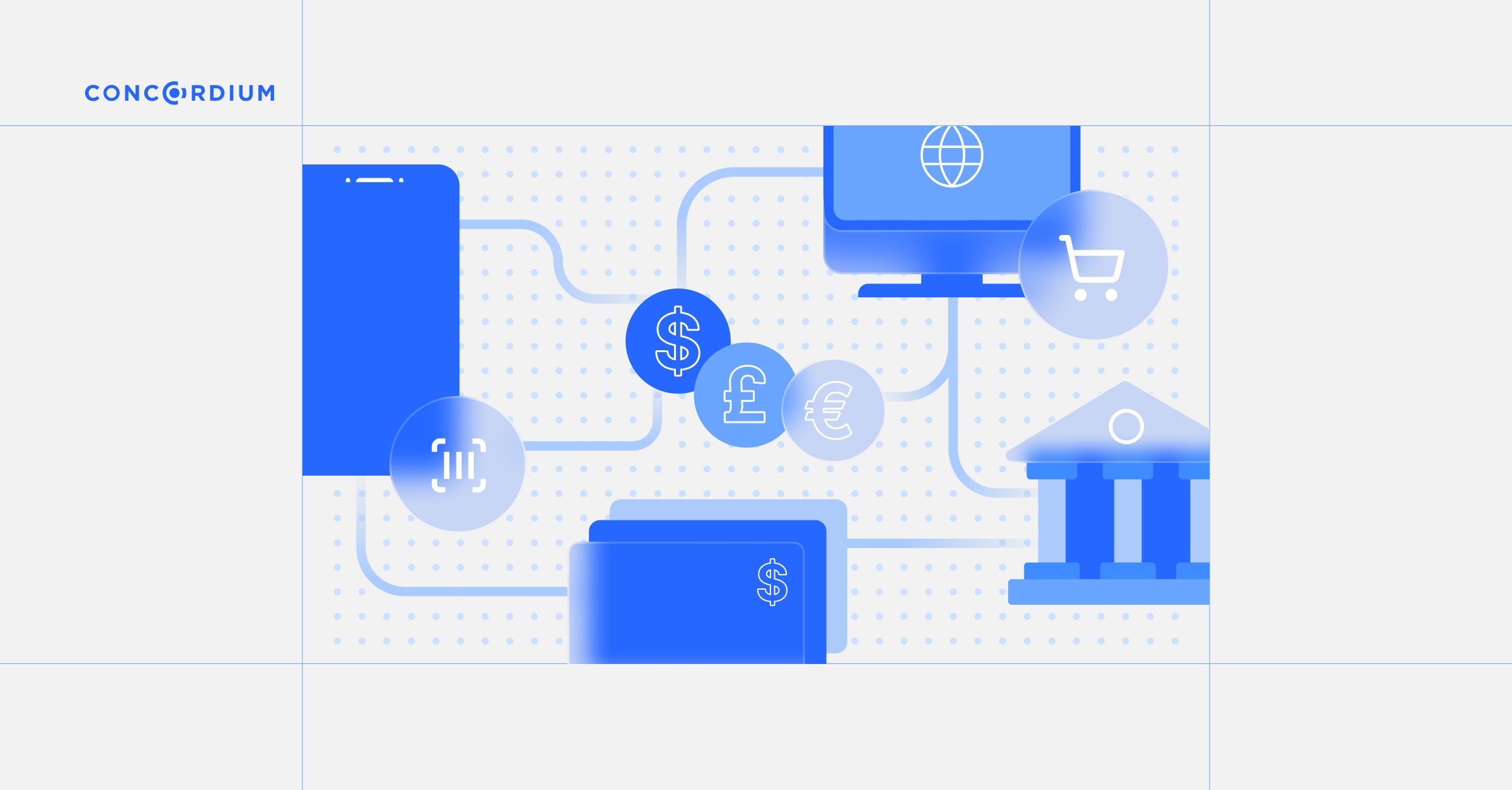
Real-world payments expose the critical gap between crypto design and regulatory necessity.
Everyday payments demand predictable costs, verifiable participants, and privacy that works with regulation. Shifting gas markets, opaque transactions, and application-level workarounds make routine payments harder, not easier, for businesses and users.
Systems designed for speculation behave very differently from systems meant to handle daily transactions at scale. When payments leave sandbox environments and enter the real economy, infrastructure must trade flexibility for reliability and anonymity for selective disclosure. What works for trading tokens does not automatically work for paying salaries, subscriptions, or retail purchases.
That’s where many traditional blockchain designs fall short and why payment-ready infrastructure envisioned through PayFi should look different by design.
Built for a Different Purpose
The difference between blockchain when it first emerged, and blockchain now comes down mainly to its purpose. Bitcoin emerged as an answer to a collapsing financial ecosystem. Those design choices made sense at the time, but they come with limits when applied to everyday payments.
Even though this crypto-native design might have been a bit more than a curiosity, it soon became obvious that complete on-chain anonymity is not desirable if it is supposed to be used in everyday transactions.
On the other end of the spectrum, absolute transparency is not the way to go, as everyone can snoop on on-chain transactions.
Privacy in Payments is About Control, Not Obfuscation
The middle ground between anonymity and transparency is an infrastructure that allows the users to preserve their identity, and only verify selected attributes from their documents. In the case of breaking the law, it would be possible to reverse engineer who made a particular transaction.
This satisfies three sides:
- The user can share only the attributes they wish to prove
- The merchant has on-chain proof that can be revealed
- The regulator has a clear audit trail
Privacy preservation is just one aspect of the everyday payments equation. If it is not reliable, it won’t stand a chance on the payment market and push PayFi further into the mainstream.
On Protocol-Level Assurances
When privacy is treated as an afterthought while designing a blockchain infrastructure, it comes with L2 and EVM-compatible liabilities. Even the inventor of Ethereum, Vitalik Buterin, has recently stated that L2s in the current form “don’t make sense.”
There is a bigger security risk, it can be slower, and an application layer is often more complex in its design. Not to mention fees sensitivity, which rises with each transaction committed on-chain.
On the other hand, protocol-level privacy is fast and does not rely on an often frail smart contract infrastructure. Concordium uses zero-knowledge proofs for identity attribute confirmation and supports a stablecoin payment ecosystem.
That ecosystem is populated by Protocol-Level Tokens (PLTs) that avoid the aforementioned drawbacks by operating on protocol level. The transactions have a fast finality (4s), and are cost -efficient, because the fees are pegged to euros (each transaction costs ≈1 euro cent), meaning when the value of the utility token CCD rises to pay for transaction fees, there are less CCD you have to pay for a transaction.
Businesses already have to fight against many uncertainties, and this infrastructure is giving them predictable low fees for each transaction, lower than payment service providers like Stripe.
A Next-Gen Payment Era
Everyday payments need blockchains that are built just for them. Systems made for total secrecy don't work well for businesses and government rules.
In the spirit of PayFi, for stablecoin payments to actually be used everywhere, the technology must be designed differently. It needs to guarantee fees that don't change, offer security that is built-in (not just added on later), and give users privacy that can still be checked by auditors if needed. These expectations already exist in traditional payment networks.
This approach might mean missing out on some of the popular developer tools at first. However, making this choice creates a reliable, compliance-ready foundation that has a shot at adoption for daily money transactions.
The future of payments relies on new systems designed for real-world use, not on trying to squeeze a new purpose into, by definition, old crypto tech. Trying to retrofit payment functionality onto systems built for speculation has clear limits.
Join the Concordium Community, follow us on X.